Collaboration, Modularity, and the Future of Filmmaking#
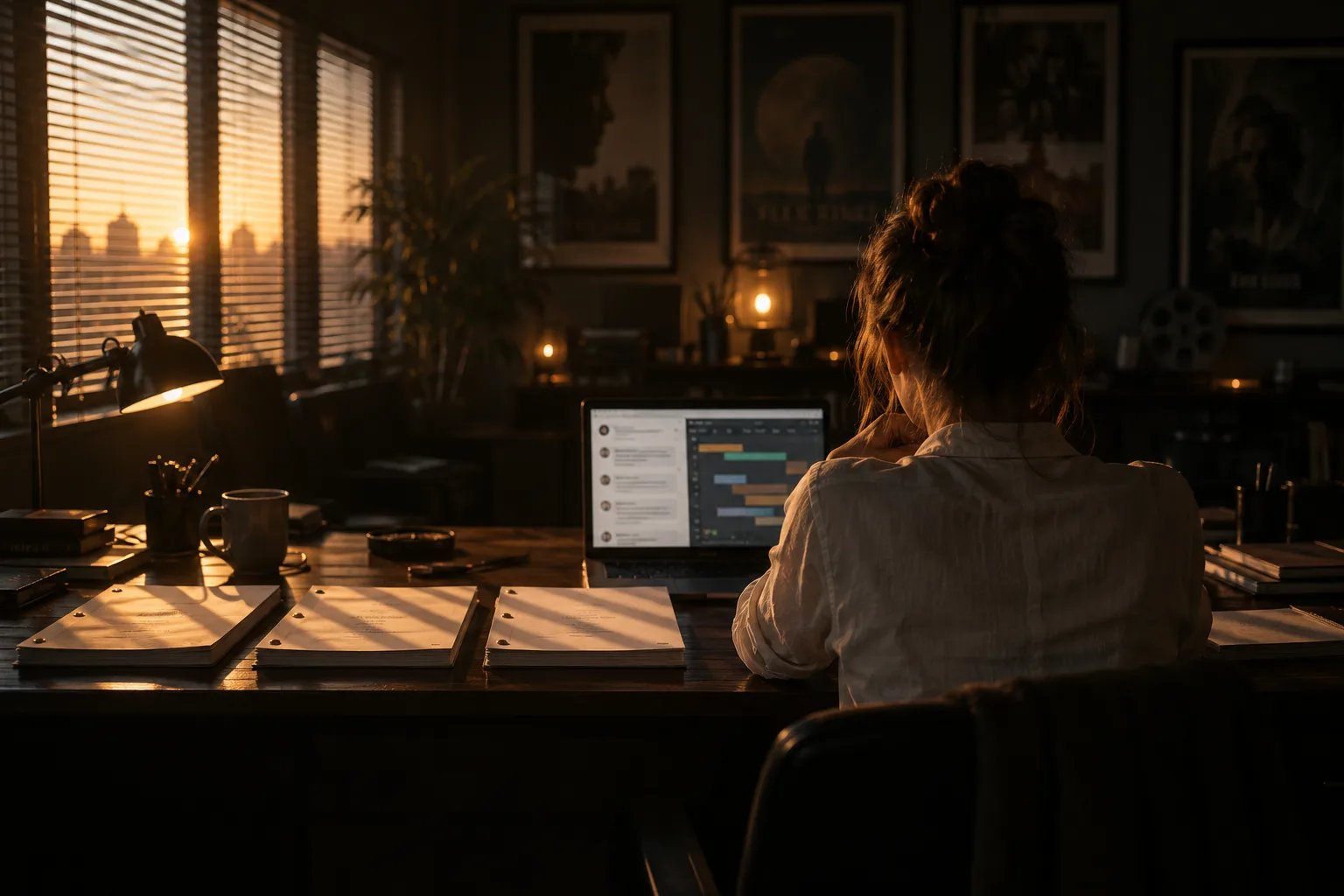
The modern filmmaker’s toolkit is expanding at a breathtaking pace. Generative AI, multimodal tools, and integrated workflows are no longer theoretical but they are reshaping how films are made. Yet, amidst this surge of innovation, one truth remains constant: filmmaking is inherently collaborative. It’s a process that relies on the seamless interplay of diverse minds, skills, and tools.
In this evolving landscape, AI tools are at their most powerful when they respect this collaborative ethos. The question isn’t just how innovative these tools are, but how well they integrate into existing systems, enhancing the craft rather than disrupting it. The future of filmmaking isn’t monolithic; it’s modular, adaptive, and designed to amplify creativity without overshadowing it.
Why "All-in-One" Isn’t the Answer#
The idea of an all-in-one solution is seductive. Who wouldn’t want a single platform that could handle everything, from scriptwriting to post-production? But filmmaking doesn’t work that way. The industry thrives on specialization: writers use Final Draft, production managers swear by MovieMagic, and editors live in tools like Adobe Premiere Pro or Avid.
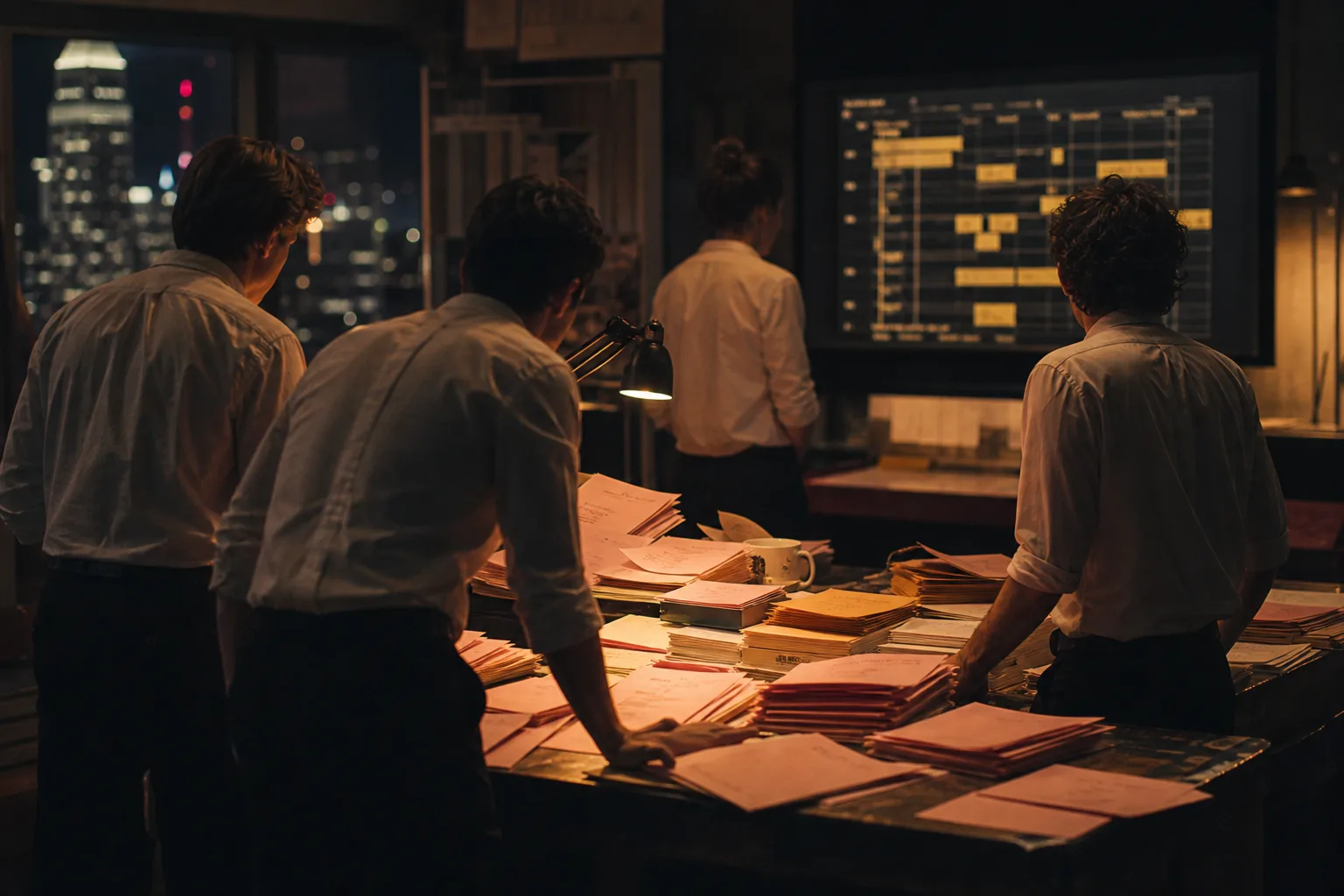
The real innovation lies not in replacing these tools but in connecting them. Tools like Frame.io have revolutionized post-production by integrating seamlessly with editing software, allowing teams to collaborate without leaving their workflows. Similarly, RivetAI’s ability to export Final Draft-compatible tags or integrate scheduling into existing systems makes it a bridge rather than a barrier. These tools aren’t about domination; they’re about dialogue.
The Modular Future of Filmmaking#
Creativity isn’t linear. It’s chaotic, iterative, and deeply personal. Modular tools honor this reality by allowing filmmakers to build workflows that suit their unique processes. AI platforms that force creators into rigid structures miss the point and end up stifling the organic flow of ideas.
Think of a modular approach as akin to assembling a custom camera rig. You choose the lens, the body, the stabilizer- each component tailored to the story you’re telling. AI tools should work the same way, adapting to the filmmaker’s needs rather than dictating them. This modularity reflects a deeper truth: creativity isn’t a one-size-fits-all endeavor, and the tools we use should honor that complexity.
AI as a Bridge, Not a Barrier#
Generative AI tools like RivetAI showcase the power of seamless integration. By exporting Final Draft-compatible tags or aligning with MovieMagic Scheduling standards, they bridge the gap between technology and tradition. But they’re not alone in this effort- platforms like Frame.io and Scriptation are also setting a precedent for tools that enhance, rather than disrupt, the workflows creators already trust.
These tools remind us of an essential truth: AI’s greatest strength isn’t in replacing what’s already working but in making it work better together. The ability to move between platforms without friction ensures that creativity remains at the forefront, unburdened by technological silos.
The Philosophy of Invisible AI#
The most effective AI tools are the ones you hardly notice. They enhance collaboration, streamline workflows, and fade into the background, allowing creators to focus on the art itself. This "invisible AI" ethos parallels great storytelling: when it’s done well, the craft serves the narrative so seamlessly that you forget it’s even there.
As generative AI blurs the line between taste and pattern, it forces us to confront a new reality. Each time AI gets closer to replicating what we deem creative, we shift the line. This fluidity is both a challenge and an opportunity. AI’s ability to chase patterns doesn’t diminish the value of human discernment, it amplifies it, pushing us to refine what makes our choices distinct.
The Collaborative Future#
The future of filmmaking isn’t about replacing tools or even processes—it’s about connection. The best AI tools, like RivetAI, don’t seek to redefine the industry. Instead, they enhance the interplay between the established and the emerging, ensuring that creativity remains at the heart of every decision.
As filmmakers, we’re entering an era where the tools we use don’t just support us, they slso challenge us. They ask us to redefine the boundaries of our workflows, embrace modularity, and lead with intention. In this future, AI isn’t the star of the show. It’s the bridge that lets the star shine brighter.
The question isn’t whether AI will change filmmaking. Plot twist! It already has! The real question is: how will we, as creators, choose to shape this evolution?