Ben Affleck recently took a public stance on AI in film, making the point that while AI can replicate style, it cannot replicate taste. He described taste as the dividing line between craftsmen and artists - the ineffable quality that elevates a piece of work beyond technical competence to something truly inspired. It’s a compelling argument, especially coming from someone whose career has spanned both art and commerce. But it’s also worth asking: what’s really at play here?
As an artist who must navigate the same waters as studio executives, his words may reflect a careful calibration, a career move as much as a philosophical position. And yet, he’s undeniably right about one thing: taste is human, personal, and deeply intuitive. It’s not something AI can define.. but what if that’s not the point?
AI Can’t Define Taste - But Can it Amplify it?#
Taste is built on lived experience: the books you’ve read, the music you’ve absorbed, the thousand small choices that shape your worldview. AI, for all its power, doesn’t live. It doesn’t grow up idolizing Tarkovsky or cringe at its teenage poetry. What it does instead is chase. It takes what’s already out there - what we, as a collective humanity, have deemed meaningful - and distills patterns from it. AI doesn’t create taste; it mirrors our own back to us.
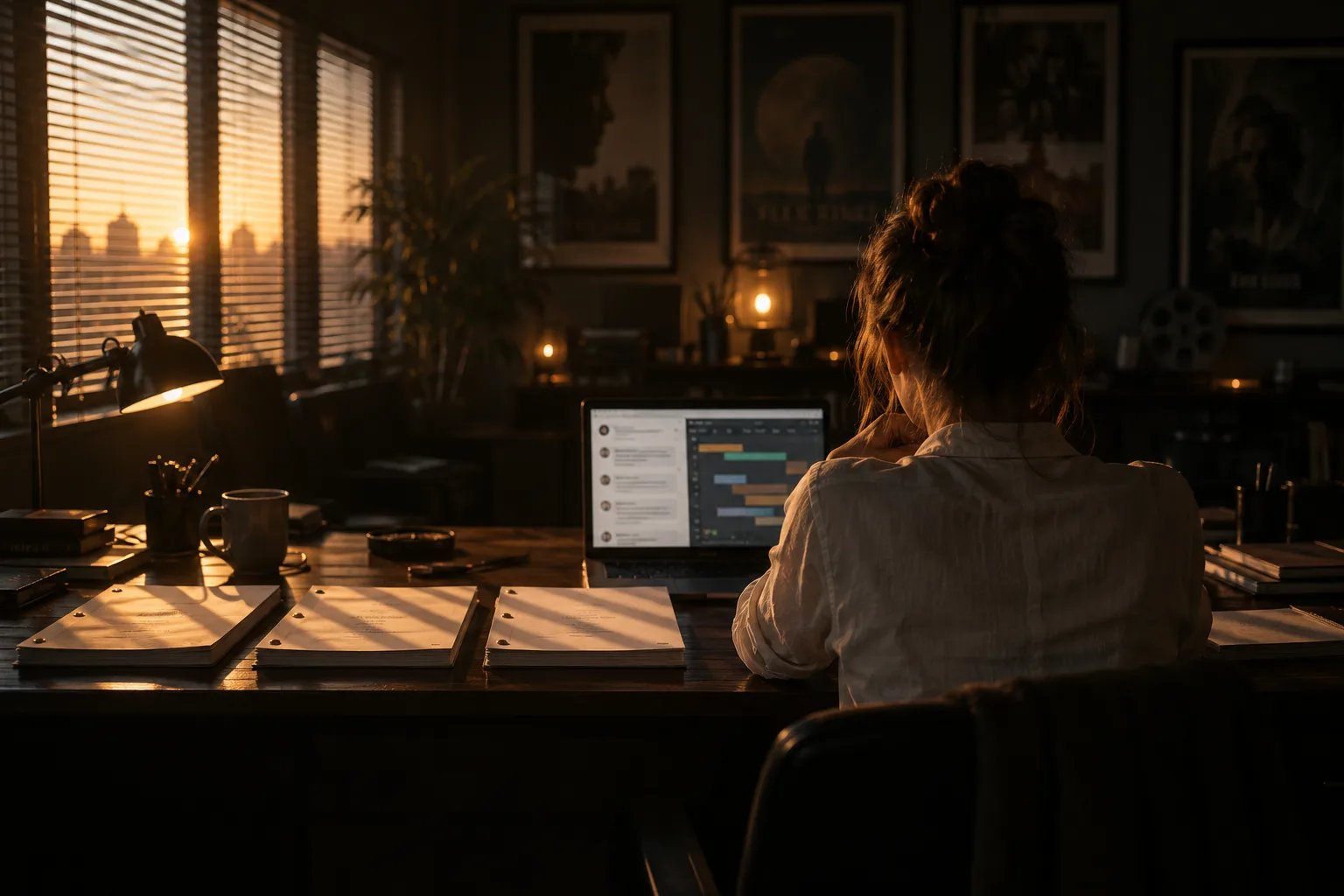
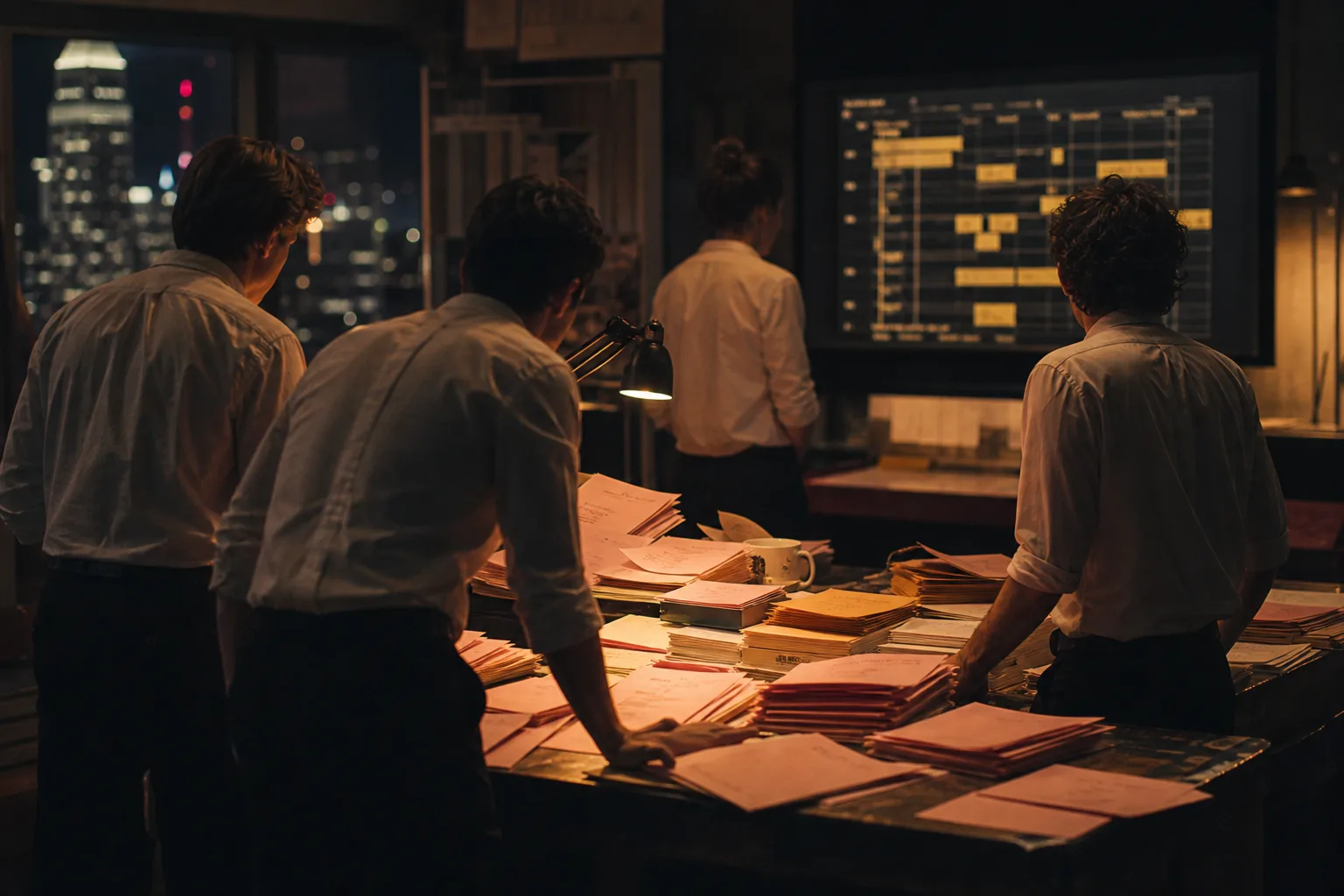
But here’s where things get interesting. While AI can’t define taste, it can amplify the space in which taste operates. By automating the repetitive, time-consuming tasks that bog down the filmmaking process, AI frees creators to lean fully into their instincts. It clears the logistical noise, leaving room for filmmakers to refine what makes their vision distinct.
Affleck’s argument about discerning between craftsmen and artists deserves more nuance. If craftsmanship is about execution and artistry is about intention, AI doesn’t erase the distinction- it sharpens it. AI can elevate craftsmanship to its highest potential, but artistry remains the domain of the human spirit. The question isn’t whether AI will muddy the waters, but whether we will rise to meet the challenge of deeper, bolder creative choices.
A Tasteful Irony#
There’s a quiet irony in Affleck’s remarks. By drawing attention to the irreplaceability of taste, he invites us to reflect on how we define it. In doing so, he also acknowledges something unspoken: taste is not just a skill; it’s a cultural currency. And in an industry where financial pressures often dictate creative decisions, positioning oneself as a guardian of taste is a powerful move. This isn’t to say his argument isn’t genuine. On the contrary, it’s a thoughtful reminder that the heart of storytelling isn’t something you can program. But it’s also a call to action: to recognize that taste isn’t under threat, it’s being amplified.
The Infinite Chase#
AI tools like RivetAI (shameless plug) don’t just automate logistics; they step into the creative sphere, nudging us to reconsider where the boundary between taste and pattern lies. Generative AI, in particular, creates a paradox: it mimics, blends, and even innovates in ways that feel eerily close to the human touch. But the catch is this - every time AI blurs the line, we, as creators, move it.
And maybe that’s the most compelling question AI raises: how much are we willing to let it blur before the line disappears altogether? As AI gets better at “chasing taste,” do we find ourselves redefining artistry not in opposition to AI but in collaboration with it? What happens when the patterns it distills reflect our own taste so perfectly that we start to rely on it to refine what we believe to be our original instincts?
The truth is, AI doesn’t just create space for us to sharpen our judgment; it actively participates in shaping it. The line between human intuition and algorithmic intelligence is becoming more fluid, and with that comes an even greater challenge: not just to preserve what makes us human but to decide where we want humanity’s fingerprints to remain.
AI isn’t here to end the chase; it’s here to extend it infinitely. And as the modern filmmaker, the opportunity isn’t just to push boundaries- it’s to decide what boundaries are worth pushing, and what, if anything, we choose to leave untouched. In the end, the conversation isn’t about what AI can’t do. It’s about how much we’re willing to let it do, and whether the pursuit of that line, forever blurred and redefined, becomes the art itself.